

Dental Implants Explained: Types, Cost & What to Expect
Losing a tooth often affects more than your smile. Eating can feel uncomfortable, speech may change, and many patients begin to feel self-conscious in everyday interactions. Some try to adapt with temporary solutions, while others delay treatment because they are unsure about the procedure, the cost, or whether they are good candidates for dental implants.
Dental implants are one of the most reliable and long-term solutions for replacing missing teeth, but it is natural to have questions before moving forward. You may be wondering how the procedure works, what types of implants are available, how much they cost, and what recovery looks like.
If you are considering treatment in areas like Virginia Beach, working with an experienced oral surgeon is an important part of planning your care. Local expertise helps ensure your treatment is tailored to your needs, your health history, and the condition of your jawbone.
This guide walks you through what dental implants are, the different types you may be offered, the typical costs involved, and what you can expect before, during, and after the procedure. The goal is to give you clear, straightforward information so you can make a confident and informed decision about your oral health.
What are dental implants?
Dr. Beale, fellow of the American Association of Oral and Maxillofacial Surgeons, defines dental implants as “small, biocompatible posts that replace the root of a missing tooth”.
They are typically made of titanium and are placed directly into the jawbone, where they gradually fuse with the bone in a process called osseointegration.
Once the implant is stable, it supports a custom-made restoration, such as a crown, bridge, or denture. This creates a replacement tooth that looks, feels, and functions much like a natural one.
Dental implants are often recommended by an oral surgeon because they offer long-term stability and help preserve the structure of your jaw. When a tooth is missing for a long time, the bone in that area can begin to shrink. Implants help maintain that bone, which supports both your facial structure and overall oral health.
Patients often choose implants because they:
- Restore the ability to chew comfortably
- Help maintain natural speech
- Blend in with the surrounding teeth
- Prevent neighboring teeth from shifting
We interviewed Dr. Beale to gatter this first answer and you will read more of his opinion throughout the article. Enjoy it!
Dental implants procedure
The dental implants procedure takes place in stages, allowing your body time to heal and adapt at each step. While every case is slightly different, most patients can expect a process like this:
1. Initial consultation
Your oral surgeon evaluates your teeth, gums, and jawbone using imaging and a clinical exam. This helps determine if implants are the right option and whether any preparatory procedures are needed.
2. Implant placement
The implant post is surgically placed into the jawbone. This is typically done under local anesthesia or sedation, depending on your needs. Most patients report minimal discomfort during this step.
3. Healing period
Over the next few months, the implant integrates with the bone. This healing phase is essential for long-term stability. You may have a temporary restoration during this time, depending on your treatment plan.
4. Abutment placement
Once healing is complete, a small connector called an abutment is attached to the implant. This piece will hold the final restoration in place.
5. Final restoration
A custom crown, bridge, or denture is secured to the implant. It is designed to match the color, shape, and size of your natural teeth.
Some patients in Virginia Beach are surprised by how manageable this process feels. With proper planning and guidance from an experienced provider, each step is designed to be predictable and comfortable.
Types of dental implants
There is no single approach that works for every patient. The type of dental implant recommended will depend on your bone structure, the number of missing teeth, and your overall treatment goals.
Endosteal implants
These are the most common types. They are placed directly into the jawbone and act as artificial tooth roots. They are often used for single-tooth replacements or multiple implants supporting bridges.
Subperiosteal implants
These sit on top of the jawbone but under the gum tissue. They may be considered for patients who do not have enough bone height and prefer to avoid bone grafting.
All-on-4 (full mouth implants)
This approach uses a small number of strategically placed implants to support a full arch of teeth. It is often recommended for patients missing most or all of their teeth.
Zygomatic implants
These are less common and are used in more complex cases where there is significant bone loss in the upper jaw. They anchor into the cheekbone instead of the jaw.
As stated by Dr. Alexandre Aalam, American Board of Periodontology, “zygomatic dental implants are extra-long implants that anchor into your cheekbone rather than your jaw, eliminating the need for bone grafting if you have severe bone loss from periodontal disease or long-term denture wear.”
Choosing the right type of implant is part of a personalized treatment plan. An oral surgeon will consider your anatomy, health history, and expectations to recommend the most appropriate option for your situation.
Can anyone get dental implants?
Many patients are good candidates for dental implants, but a few important factors help determine whether this is the right option for you.
Your oral surgeon will look at:
- Jawbone density: You need enough bone to support the implant. If bone loss has occurred, a bone graft may be recommended before placement.
- Gum health: Healthy gums are essential for proper healing and long-term success.
- Overall health: Certain conditions, such as uncontrolled diabetes or immune disorders, can affect healing.
- Lifestyle habits: Smoking, for example, can slow healing and increase the risk of complications.
Age alone is usually not a limitation. What matters most is whether your body can support healing after the procedure.
If you have been told in the past that you are not a candidate, it may still be worth a second evaluation. Advances in techniques and treatment planning allow more patients to qualify today than in the past. In areas like Virginia Beach, an experienced oral surgeon can assess whether preparatory treatments could make implants possible for you.
How much does it cost to have tooth implants?
The cost of dental implants can vary depending on your specific needs. There is no single price, because treatment is tailored to each patient.
Several factors influence the total cost:
- Number of implants needed
- Type of restoration (single crown, bridge, or full arch)
- Preparatory procedures such as bone grafting or extractions
- Technology and materials used
- Provider experience and location
On average in the United States a single dental implant may range from $1,646 to $4,157 (Care Credit, 2026).
While this can feel like a significant investment, implants are designed to be long-lasting. Unlike some alternatives, they do not rely on neighboring teeth for support and typically require less replacement over time.
During your consultation, you should receive a detailed treatment plan with clear pricing. Many practices also offer financing options to help make care more accessible.
Are dental implants worth it?
For many patients, dental implants provide a level of comfort and confidence that is difficult to achieve with other tooth replacement options.
They are often considered worth it because they:
- Feel stable and secure when eating and speaking
- Look natural, blending with your existing teeth
- Help preserve jawbone structure, preventing long-term changes in your facial profile
- Do not rely on adjacent teeth, unlike traditional bridges
- Offer long-term durability with proper care
That said, the decision is personal. Some patients prefer removable options due to cost or medical considerations, while others prioritize the permanence and function that implants provide.
An honest conversation with your oral surgeon can help you weigh the benefits against your specific situation. The goal is to choose a solution that supports your health, your comfort, and your long-term expectations.
What is the downside of having dental implants?
Dental implants have a strong track record of success, but like any surgical procedure, they come with considerations that are important to understand ahead of time.
One of the main factors is the time involved. The process happens in stages, and healing between those stages can take several months. For patients looking for an immediate solution, this timeline may feel longer than expected.
There is also a surgical component. Implant placement is a minor oral surgery, and while most patients tolerate it well, it still requires proper healing and aftercare. Some swelling, discomfort, or temporary dietary adjustments are normal during recovery.
Cost can be another concern. Compared to dentures or bridges, implants typically involve a higher upfront investment. However, they are designed to last much longer, which may offset future replacement costs.
In some cases, additional procedures are needed. If there is not enough bone to support the implant, your oral surgeon may recommend bone grafting before placement. This can add both time and cost to the overall treatment.
There is also a small risk of complications, such as infection, implant failure, or nerve sensitivity. These situations are not common, especially when treatment is carefully planned, but they are part of any surgical discussion.
If you live in areas like Virginia Beach and are considering implants, a thorough evaluation with a qualified oral surgeon helps reduce these risks. Careful planning, imaging, and follow-up care all contribute to a more predictable outcome.
Dental implants before and after
Before receiving dental implants, many patients experience challenges that go beyond the missing tooth itself. Chewing certain foods may feel difficult, speech can be affected, and there may be visible gaps that impact your confidence.
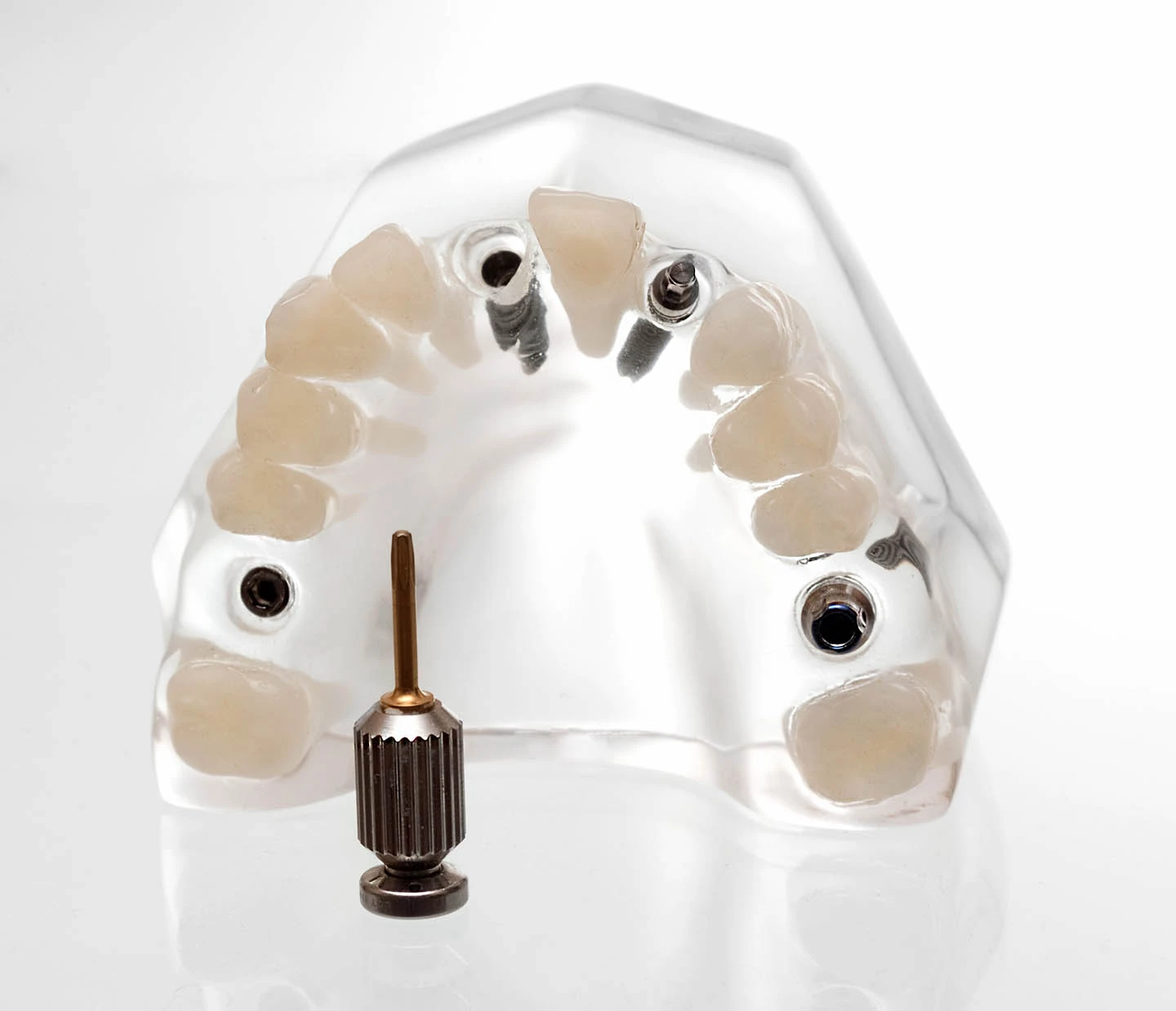
After treatment, the goal is to restore both function and appearance in a way that feels natural and stable. Patients often notice:
- Improved ability to eat a wider range of foods
- More consistent and clear speech
- A smile that looks complete again
- Better support for facial structure over time
Results vary from person to person, depending on the condition of the bone, gums, and surrounding teeth. Healing also plays an important role in the final outcome.
Do dental implants look natural?
Dental implants are designed to closely match your natural teeth in both appearance and function.
The visible part of the implant, the crown, is custom-made to blend with your surrounding teeth. Your provider considers factors like:
- Tooth color and shade
- Shape and size
- Alignment with nearby teeth
Because the implant is anchored in the jawbone, it does not shift or move the way some removable options can. This stability helps create a more natural look when you speak or smile.
Most people will not be able to tell the difference between an implant and a natural tooth. With proper placement and a well-designed restoration, the result is meant to feel like your own tooth rather than a replacement.
FAQs
How long do dental implants last?
Dental implants are designed to be a long-term solution. In many cases, the implant post itself can last decades, and often a lifetime, with proper care.
The restoration attached to the implant, such as a crown, may need replacement over time due to normal wear. Regular dental visits, good oral hygiene, and avoiding habits like teeth grinding all help extend the life of your implant.
How painful is getting a dental implant?
According to Dr. Beale, dental implant is not as terrible as people think:
“When we remove a tooth and perform a bone graft, patients usually say, ‘That was a little uncomfortable,’ but they get through it. Then, when it comes time for the implant, they often come back and say, ‘You know what? That wasn’t as bad as the extraction or the bone graft.’ The surgery tends to be easier, and the recovery is usually smoother as well.”
Most patients are surprised by how manageable the procedure feels. Implant placement is typically performed with local anesthesia or sedation, so you should not feel pain during the surgery.
After the procedure, some discomfort, swelling, or soreness is normal for a few days. This is usually well controlled with prescribed or over-the-counter medications. Many patients describe the recovery as similar to or easier than a tooth extraction.
What is the recovery time after dental implant surgery?
Initial healing usually takes a few days to a week, during which you may need to adjust your diet and activity level.
The full healing process, where the implant integrates with the jawbone, can take several months. This stage is essential for long-term stability. Your oral surgeon will monitor your progress and let you know when you are ready for the final restoration.
What are the risks or complications of dental implants?
Dental implants have a high success rate, but like any surgical procedure, there are potential risks.
These may include:
- Infection at the implant site
- Delayed healing
- Nerve sensitivity or discomfort
- Sinus issues for upper jaw implants
Careful planning, proper technique, and following post-operative instructions all help reduce these risks. Your provider will review your medical history to ensure the safest approach.
Can dental implants fail?
While uncommon, dental implant failure can happen. It may occur if the implant does not properly fuse with the bone or if complications develop during healing.
Certain factors can increase this risk, such as smoking, poor oral hygiene, or underlying health conditions that affect healing.
Early detection is important. Regular follow-up appointments allow your oral surgeon to monitor the implant and address any concerns promptly. In many cases, a failed implant can be treated and replaced after proper healing.
What happens if I don’t replace a missing tooth?
Leaving a missing tooth untreated can lead to changes over time. The surrounding teeth may begin to shift into the empty space, which can affect your bite and make cleaning more difficult.
Bone loss is another concern. Without a tooth root to stimulate the jaw, the bone in that area can gradually shrink. This may impact your facial structure and make future treatment more complex.
You may also notice changes in how you chew or speak. Replacing a missing tooth helps maintain balance in your bite and supports long-term oral health.
What is the difference between dental implants and dentures?
Dental implants and dentures both replace missing teeth, but they function in very different ways.
Dental implants:
- Fixed in the jawbone
- Feel stable and secure
- Help preserve bone structure
- Do not need to be removed
Dentures:
- Removable appliances
- Rest on the gums
- May shift when eating or speaking
- Require daily removal and cleaning
Some patients also choose implant-supported dentures, which combine the stability of implants with the coverage of a denture.
Are dental implants better than bridges?
Dental implants and dental bridges are both effective options, but they serve different needs.
A traditional bridge relies on the teeth next to the missing one for support. This usually involves reshaping those neighboring teeth. An implant, on the other hand, stands on its own and does not affect adjacent teeth.
Implants also help maintain jawbone health, while bridges do not address bone loss in the same way.
That said, bridges may be recommended in certain situations based on your oral health, timeline, or budget. The right option depends on your specific case.
Can I get a full mouth of dental implants?
Yes, full mouth dental implants are an option for patients who are missing most or all of their teeth.
This approach typically uses a small number of strategically placed implants to support a full arch of teeth. Techniques such as full-arch restoration allow for a stable and long-lasting result without placing an implant for every missing tooth.
Your oral surgeon will evaluate your bone structure and overall health to determine if this approach is appropriate for you.
How long after tooth extraction can I get an implant?
The timing can vary depending on your situation.
In some cases, an implant can be placed immediately after a tooth extraction. In others, your provider may recommend waiting several weeks or months to allow the area to heal properly.
Factors such as infection, bone quality, and gum health all play a role in determining the right timing. A personalized evaluation helps ensure the best outcome.
What materials are dental implants made of?
Most dental implants are made from titanium, a strong and biocompatible material that integrates well with bone.
Some alternatives, such as zirconia implants, are also available. These are metal-free and may be considered in specific cases.
Both materials are designed to be durable and safe for long-term use. Your provider will recommend the most appropriate option based on your needs.
Can smokers get dental implants?
Smokers can receive dental implants, but there are additional risks to consider.
Smoking can interfere with healing and reduce blood flow to the gums, which may increase the risk of implant failure or complications.
If you smoke and are considering implants, your oral surgeon may recommend reducing or stopping smoking before and after the procedure to improve healing. Even a temporary pause during recovery can make a meaningful difference in your outcome.
Explore Your Implant Options
Dental implants offer one of the most effective and lasting solutions available for replacing missing teeth. From restoring your ability to eat and speak comfortably to preserving the structure of your jaw, the benefits extend well beyond appearance alone.
Understanding the procedure, the types of implants available, the costs involved, and what recovery looks like puts you in a stronger position to make a decision that is right for you. Every patient's situation is different, and what works best will depend on your oral health, bone structure, lifestyle, and personal goals.
If you have been living with a missing tooth or have been putting off treatment because of uncertainty, this is a good time to take the next step. A consultation with a qualified oral surgeon, especially one familiar with your local area and individual needs, can give you a clearer picture of your options and what to expect.
The goal is not simply to fill a gap, but to restore function, confidence, and long-term oral health. With the right guidance and care, dental implants can be a solution that serves you well for many years to come.
