
Sedation: Complete Guide to Types, Uses & Risks
Sedation offers a safe and highly effective way to manage anxiety when scheduling a tooth extraction or dental implant. Delaying necessary treatment due to fear of pain is a frequent reaction. Research from the Cleveland Clinic notes that nearly 36% of people experience dental treatments fear.
Because anxiety is so common, medical professionals use specific techniques to ensure you remain completely relaxed during these procedures. "Our priority is ensuring you feel safe and completely relaxed before we even begin," notes Dr. Beale of Virginia Oral & Maxillofacial Surgery.
If you live in Coastal Virginia, choosing an oral surgeon who offers modern comfort options is an essential step toward protecting your oral health. Understanding the available relaxation methods and how they work helps you prepare for a comfortable appointment.
What is sedation?
Doctors use sedation to calm the central nervous system before and during a procedure. This approach reduces anxiety, minimizes discomfort, and often prevents you from remembering the surgery. Providers administer specific sedation drugs to help you feel entirely at ease while receiving medical or dental care.
The exact level of relaxation depends on the medication used. Certain options simply take the edge off your nerves while keeping you awake and responsive. Other methods place you into a deep sleep where you have no awareness of the treatment.
Your oral surgeon will recommend a customized plan based on the complexity of your procedure and your personal comfort levels. The primary goal is always to deliver a safe experience that caters directly to your needs.
What is the difference between sedation and anesthesia?
Patients frequently use these terms interchangeably, but they refer to different levels of consciousness. When comparing sedation vs anesthesia, sedation focuses primarily on relaxing you and managing anxiety.
Depending on the specific type of sedation in medical settings, you might stay awake and able to follow simple instructions, or you might drift into a light sleep. General anesthesia produces a complete loss of consciousness. You are entirely asleep, and your brain does not process pain signals.
Because anesthesia places your entire body into a very deep state of rest, the surgical team usually needs to support your breathing during the operation. Organizations like the Mayo Clinic provide detailed guidelines on how these comfort levels differ.
(Infographic description: A clear, branded visual chart comparing the consciousness levels, breathing independence, and primary uses of sedation versus general anesthesia.)
Feature
Sedation
General Anesthesia
Consciousness
Awake or lightly sleeping
Completely unconscious
Breathing
Independent
Usually requires assistance
Primary Purpose
Relieve anxiety and discomfort
Block all pain signals for major surgery
What is sedation used for?

Doctors use relaxation methods across many fields of medicine to keep patients comfortable during tests or minor surgeries. In an oral surgery setting, providers frequently recommend these calming techniques for procedures such as:
- Wisdom teeth removal
- Dental implant placement
- Bone grafting
- Corrective jaw surgery
- Complex tooth extractions
Beyond the procedure itself, these methods are highly beneficial for patients facing personal hurdles to treatment. Reviewing your sedation options early can help you feel more confident about your upcoming appointment. As detailed in the Cleveland Clinic's guide to sedation dentistry, your provider might suggest comfort options if you experience:
- High levels of dental anxiety or fear
- A strong and sensitive gag reflex
- Difficulty sitting still or keeping your mouth open for long periods
- Extensive dental needs require a lengthy appointment
By administering the right medication, your surgical team ensures you receive the care you need without enduring unnecessary stress.
Types of sedation
Your doctor will select a specific method based on the planned procedure and your personal anxiety levels. The most common options include:
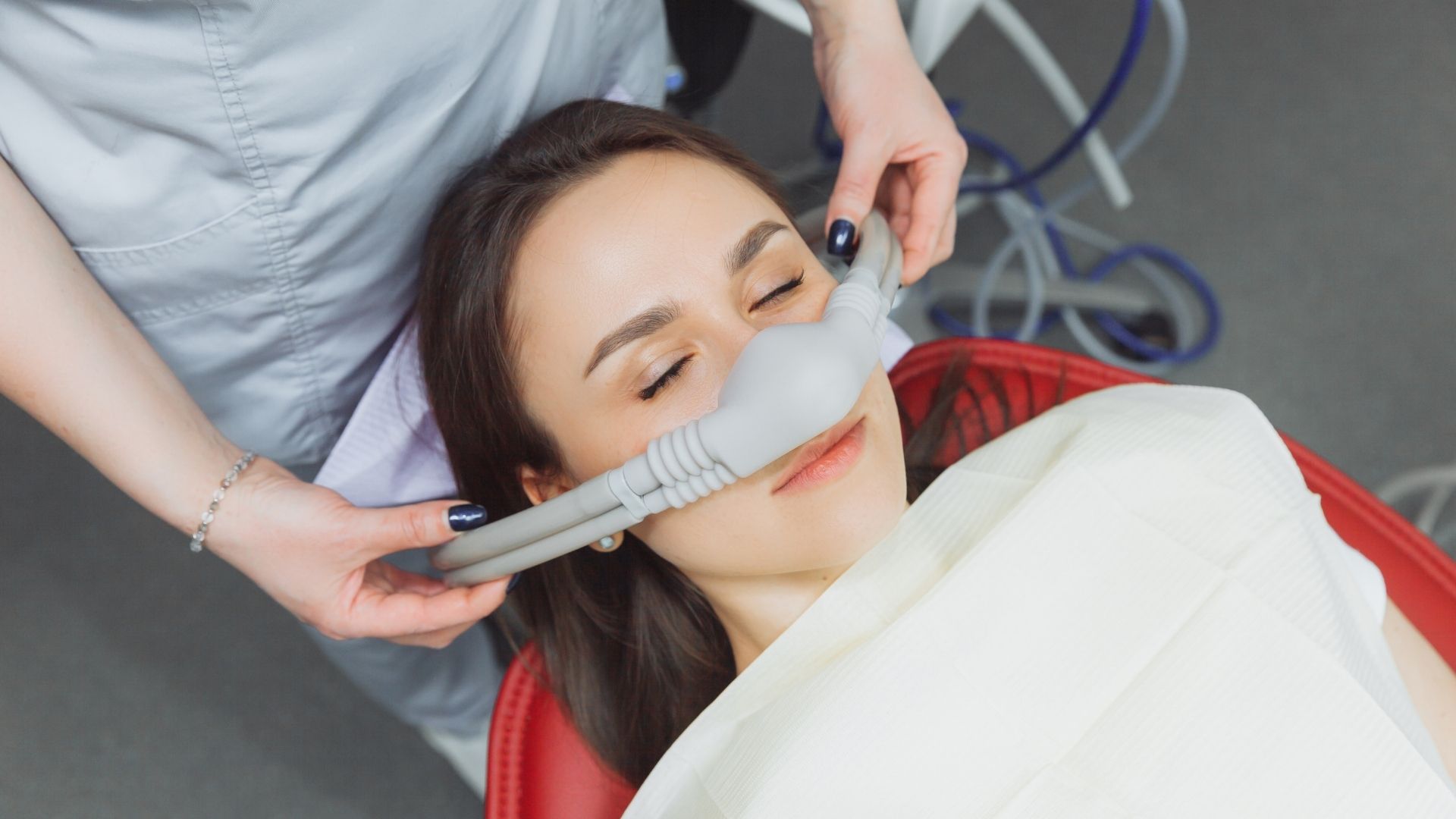
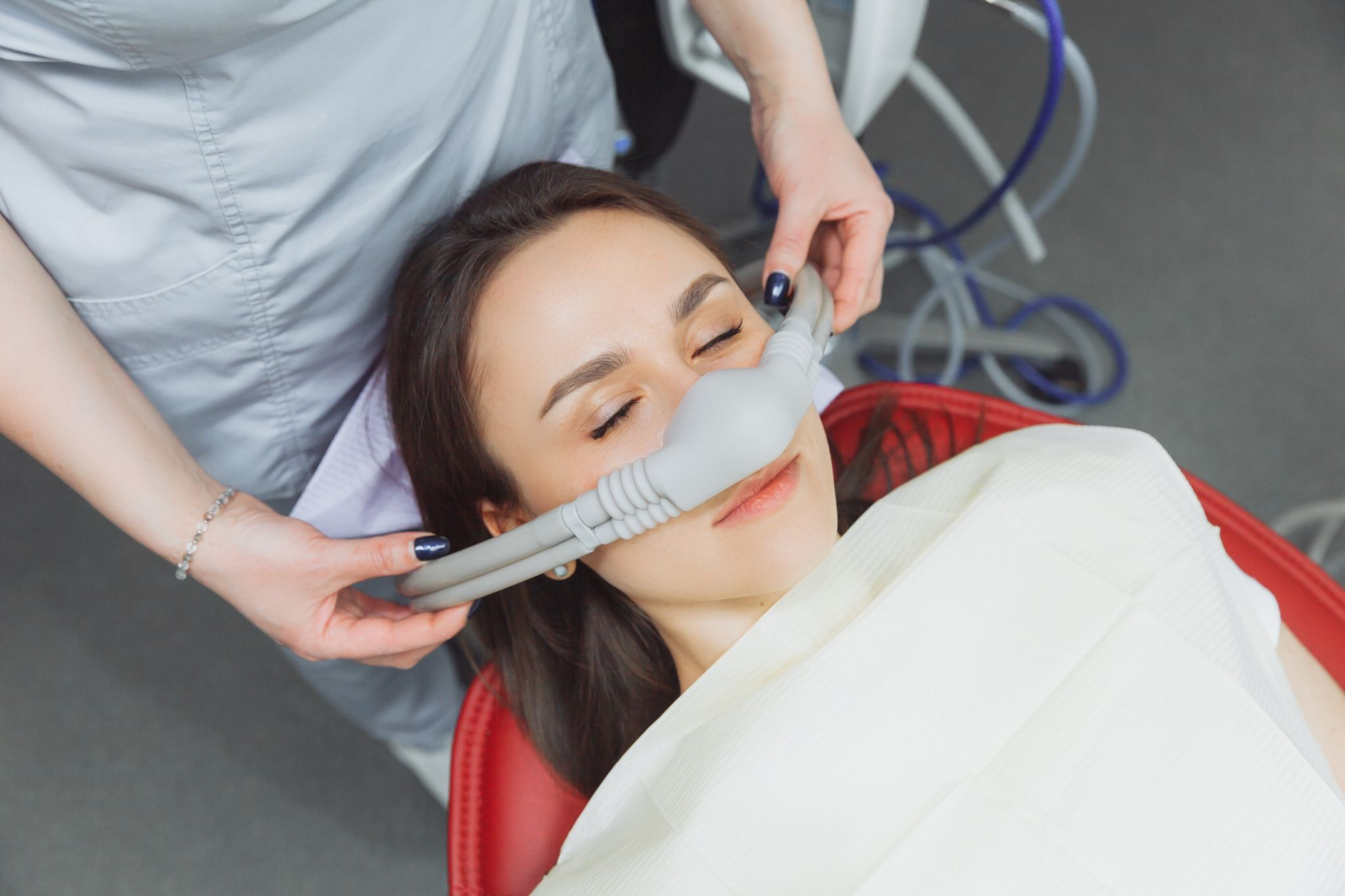
- Nitrous oxide: Often called laughing gas, this is a mild option you breathe through a small mask. It helps you relax quickly and wears off just as fast, allowing you to resume your normal day almost immediately.
- Oral sedation: You take a prescribed pill shortly before your appointment. This medication makes you feel groggy and deeply relaxed. Your provider will give you clear instructions beforehand, including whether you can eat before oral sedation dentistry.
- Intravenous (IV) sedation: The doctor administers medication directly into your vein for immediate effect. "IV sedation allows the surgical team to adjust your relaxation levels continuously throughout the procedure for optimal comfort," explains Dr. Beale. Most patients fall into a light sleep and remember very little afterward.
Sedation risks and side effects
Modern relaxation methods are highly safe when a trained specialist administers them. The U.S. Food and Drug Administration (FDA) strictly evaluates these medications for clinical use. Major organizations like the American Dental Association (ADA) also recognize them as standard practice.
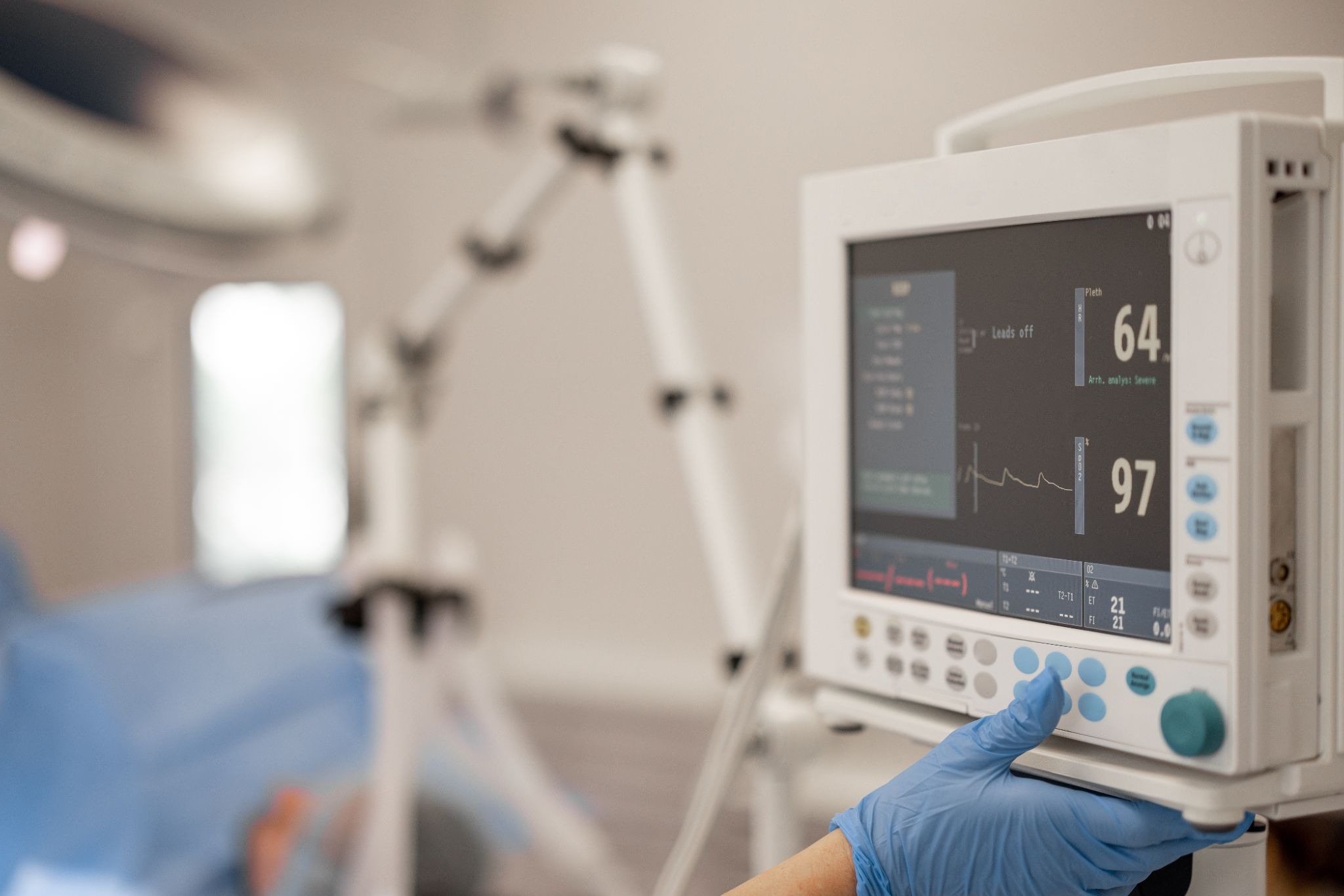
To ensure your safety, the clinical team monitors your heart rate, blood pressure, and oxygen levels at all times. While complications are rare, you might experience a few temporary reactions as the medication wears off. Common side effects of sedation dentistry include:
- Drowsiness or fatigue for the rest of the day
- Dry mouth
- Mild nausea or an upset stomach
- A sluggish feeling or slow reflexes
These responses are entirely normal and usually resolve after a good night's rest. We recommend resting quietly at home and drinking plenty of water. If you live in Coastal Virginia and undergo surgery locally, your clinic will provide detailed aftercare instructions and a direct way to contact the team if you have any concerns during recovery.
FAQs
Does sedation put you to sleep?
It depends on the specific method your doctor uses. Nitrous oxide and oral medications usually keep you awake but deeply relaxed, though you might drift off into a light nap. IV methods frequently place you into a manageable, light sleep where you wake up easily once the procedure finishes.
How long do you sleep after sedation?
The lingering effects vary based on the medication. Nitrous oxide wears off within minutes after the mask is removed. Oral and IV options leave you feeling drowsy for several hours. You will likely feel tired when you get home, and we recommend resting for the remainder of the day.
What should I do to prepare for sedation?
Your provider will give you specific guidelines based on your personalized treatment plan. The American Society of Anesthesiologists (ASA) recommends strict fasting protocols before most appointments. We also advise wearing comfortable, loose clothing and avoiding heavy makeup or jewelry when you come to the clinic.
Do I need someone to drive me home after sedation?

Yes, for almost all types of relaxation methods, you must have a responsible adult drive you home. The only exception is nitrous oxide since it leaves your system entirely before you leave the office. For oral and IV options, your driver must stay at the clinic during your procedure and ensure you get home safely.
Choose the Right Sedation Option with Confidence
Feeling nervous about an upcoming dental procedure is a normal reaction. Reviewing the available relaxation methods helps you make informed decisions about your care. Nitrous oxide, oral medications, and IV treatments all work to keep you completely comfortable. Knowing what to expect regarding recovery also allows you to prepare properly.
If you live in Coastal Virginia, finding a supportive surgical team makes all the difference in your treatment journey. Dr. Beale and our entire clinical staff prioritize your safety and peace of mind at every step. You deserve a stress-free environment for your oral health needs.
To discuss your personalized comfort options, review our sedation services and schedule your consultation today.
