
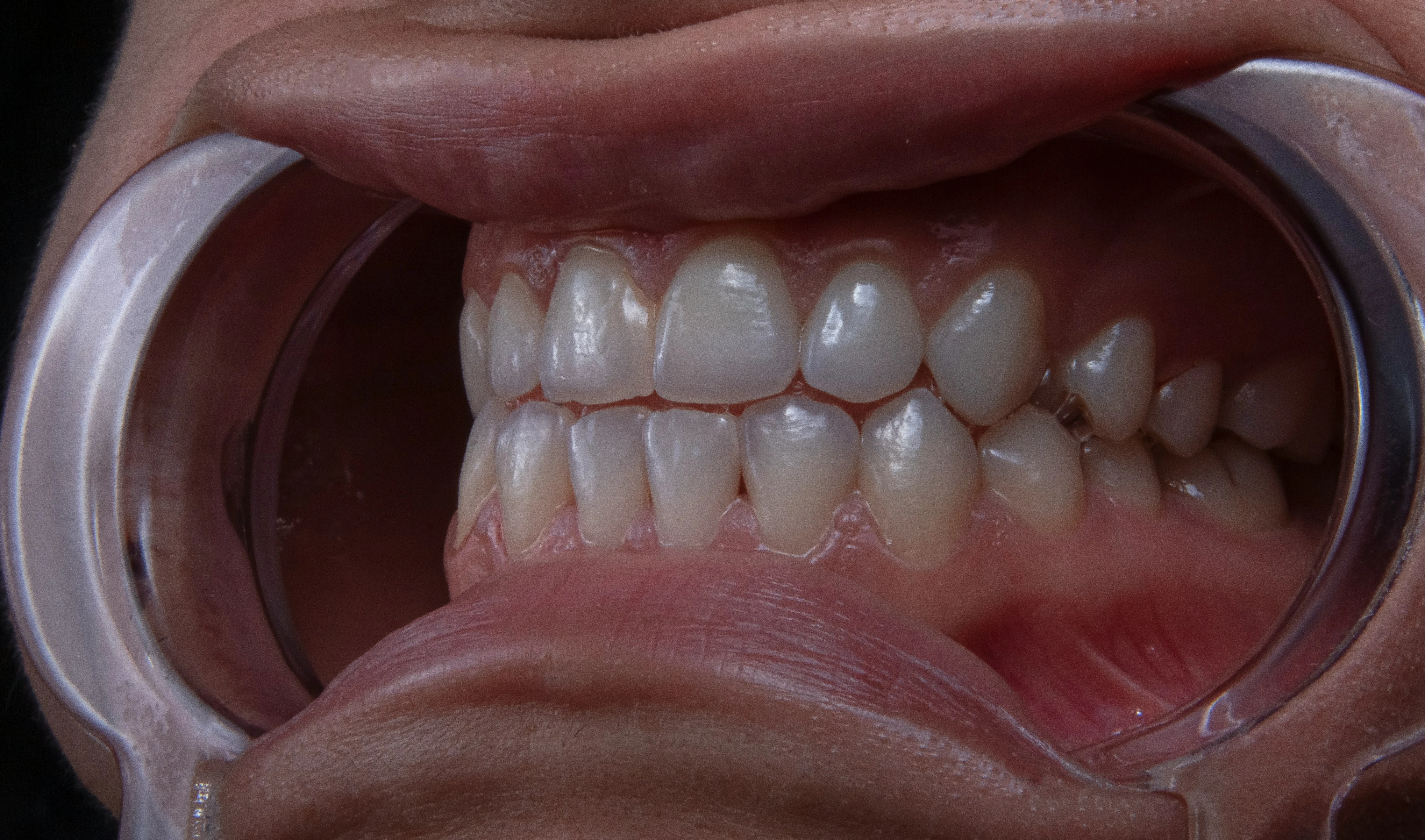
When do you have to take out wisdom teeth?
Not everyone needs their wisdom teeth removed. Some people keep them without pain or complications, while others develop issues that make removal the safest option. The decision depends on how the teeth grow, how much space is available in your jaw, and whether they affect nearby teeth or gums.
Knowing when removal is recommended can help you feel more prepared and less uncertain about next steps.
When wisdom teeth do not need to be removed
Wisdom teeth that fully erupt, align correctly, and remain easy to clean may not require removal. In these cases, dentists typically monitor the area during routine exams and through periodic imaging to confirm that no changes develop over time.
As long as the teeth stay healthy and do not interfere with surrounding structures, ongoing observation is often enough.
When removal is usually recommended
Removal is more common when wisdom teeth do not have enough room to come in properly. Teeth that remain partially erupted or impacted can trap bacteria under the gumline and place pressure on neighboring teeth.
Removal is often recommended when wisdom teeth cause:
- Ongoing pain or swelling in the back of the mouth
- Repeated gum infections around the tooth
- Crowding or damage to nearby teeth
- Cysts or other abnormalities seen on imaging
The American Association of Oral and Maxillofacial Surgeons explains how impacted wisdom teeth increase the risk of infection and other complications if they are left untreated.
Why timing plays a role
Wisdom teeth issues tend to become more difficult to manage over time. As you get older, the jawbone becomes denser, which can make surgery and healing more complex. The Mayo Clinic notes that earlier evaluation allows providers to identify risk before symptoms worsen.
Choosing the right path
The need to take out wisdom teeth is always based on individual findings. A clinical exam and imaging help determine whether removal is necessary now, later, or not at all. The goal is to protect your comfort, oral health, and long-term function with the least amount of intervention possible.
