
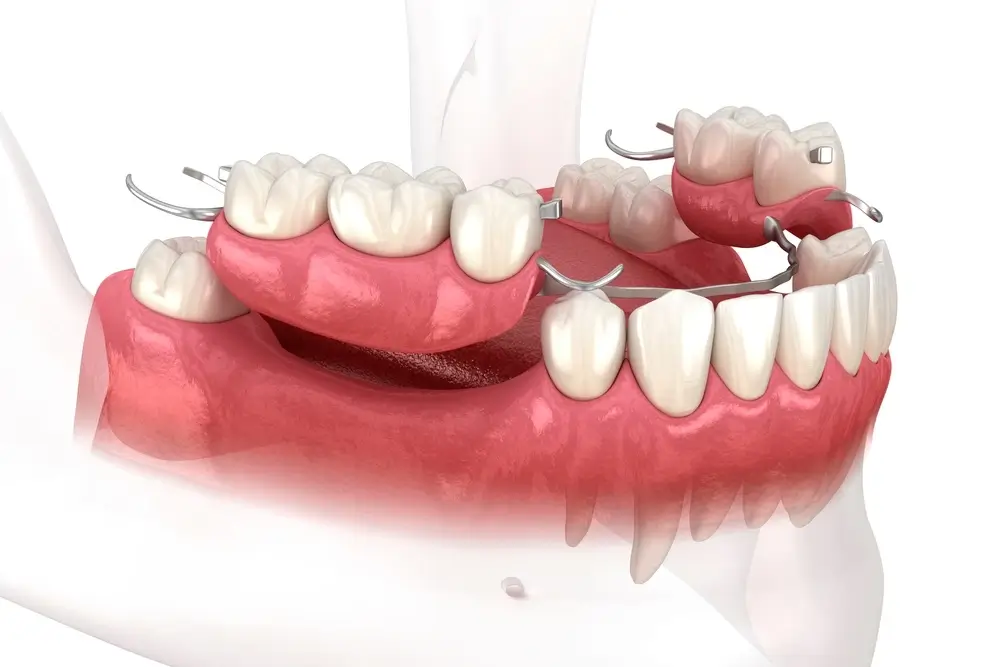
Partial Dentures: Common Mistakes to Avoid
Many people who are missing several teeth wonder whether partial dentures are the right solution—but they're often just as concerned about how they'll look, feel, and fit into everyday life. Questions like: Will I be able to eat normally? Will they stay in place? Are they uncomfortable? Are completely understandable.
Unfortunately, many of the frustrations people experience with partial dentures aren't caused by the dentures themselves, but by common mistakes in how they're worn, cleaned, or cared for.
The good news is that modern partial dentures are more comfortable, natural-looking, and functional than ever before. With the right expectations and proper care, they can restore your smile, improve your ability to chew and speak, and help protect your remaining natural teeth.
In this guide, we'll explain how partial dentures work, what they cost, what foods you can safely enjoy, and the most common mistakes to avoid. We'll also answer frequently asked questions about cleaning, comfort, lifespan, and maintenance so you can feel confident caring for your new smile every day.
What Are Partial Dentures?
Partial dentures are removable dental appliances designed to replace one or more missing teeth while preserving your remaining natural teeth. Unlike complete dentures, which replace an entire upper or lower arch, partial dentures fill the gaps left by missing teeth and help restore your ability to chew, speak, and smile with confidence.
According to Mouth Healthy’s article, “removable partial dentures usually consist of replacement teeth attached to pink or gum-colored plastic bases. Depending on your needs, your dentist will design a partial denture for you. A partial denture may have a metal framework and clasps that connect to your teeth, or it can have other connectors that are more natural-looking. In some cases, a removable partial denture is made to attach to your natural teeth with devices called precision attachments.”
Replacing missing teeth isn't just about appearance. Gaps in your smile can allow neighboring teeth to shift out of position, affect your bite, and make eating or speaking more difficult over time. A properly fitted partial denture helps maintain the alignment of your remaining teeth while improving oral function and facial support.
Your dentist will recommend a design based on the number and location of missing teeth, the health of your remaining teeth, and your long-term treatment goals.
What Do Partial Dentures Look Like?
Modern partial dentures are designed to blend naturally with your smile. Replacement teeth are carefully matched to the color and shape of your existing teeth, while the gum-colored base is made to resemble natural gum tissue.
Depending on the type of partial denture, you may notice:
- Natural-looking replacement teeth
- A pink or gum-colored acrylic base
- A lightweight metal framework (for some designs)
- Small metal clasps or tooth-colored attachments that help secure the denture
- Flexible materials that provide a more discreet appearance on certain models
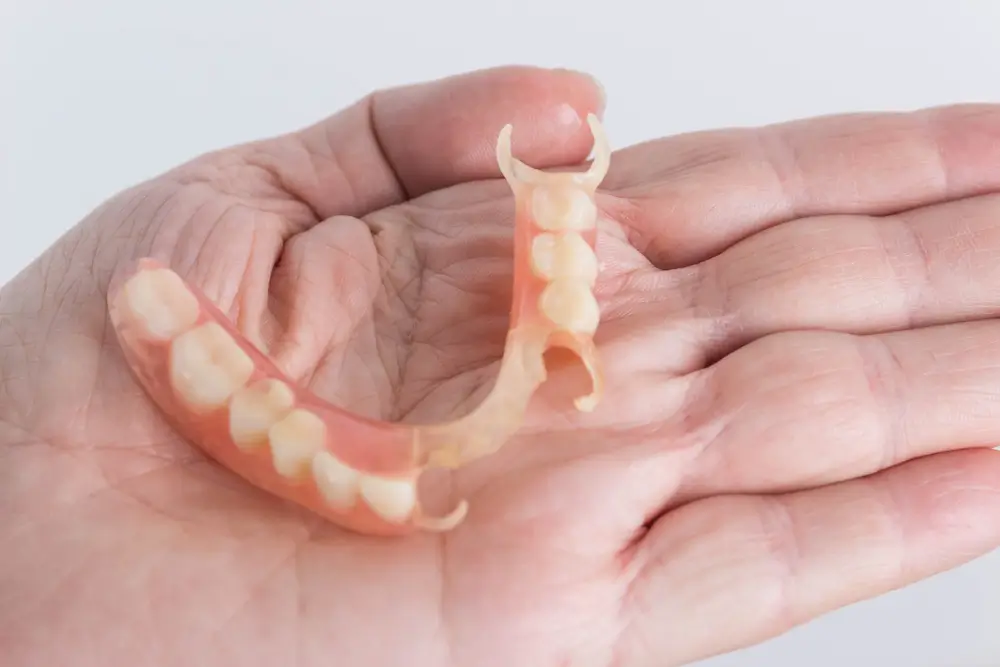
Many patients are surprised by how natural today's partial dentures look compared to older designs. Advances in dental materials have made them lighter, more comfortable, and more aesthetically pleasing than ever before.
If appearance is one of your biggest concerns, ask your dentist about flexible or precision attachment partial dentures. These options may reduce the visibility of metal clasps while providing a secure, comfortable fit.
How Do Partial Dentures Work?
Partial dentures work by filling the spaces left by missing teeth while using your remaining healthy teeth and gums for support. They are custom-made to fit your mouth, restoring your ability to chew, speak, and smile more comfortably while helping maintain the alignment of your natural teeth.
Depending on the type of partial denture, the appliance stays in place using one or more of the following:
- Metal clasps that gently wrap around nearby natural teeth.
- Precision attachments that connect to dental crowns for a more discreet appearance.
- Flexible resin materials that hug the natural contours of your gums and teeth.
- The natural shape of your mouth, which helps provide additional stability.
When inserted correctly, a partial denture should feel secure during everyday activities like eating and talking. It's normal for new wearers to need a short adjustment period as the muscles of the cheeks and tongue adapt to the appliance.
One of the biggest mistakes patients make is assuming partial dentures will feel perfect immediately. Mild soreness, increased saliva production, or slight difficulty speaking are common during the first few days or weeks. As you wear your dentures consistently and follow your dentist's instructions, these issues typically improve.
To keep your partial dentures functioning properly, it's also important to:
- Remove and clean them daily.
- Store them properly when not in use.
- Avoid forcing them into place.
- Attend regular dental checkups so your dentist can evaluate the fit and make adjustments if needed.
A well-fitting partial denture should restore function without causing ongoing pain or damaging your remaining teeth. If your dentures become loose, uncomfortable, or difficult to wear, schedule an appointment with your dentist rather than trying to adjust them yourself.
How Much Do Partial Dentures Cost Without Insurance?
The cost of partial dentures without insurance varies based on the type of denture, the materials used, the complexity of your case, and your geographic location. In general, patients can expect the following price ranges:
- Acrylic partial dentures: approximately $700–$2,000
- Metal framework partial dentures: approximately $1,000–$4,000
- Flexible partial dentures: approximately $1,000–$3,000
- Precision attachment partial dentures: $2,000 or more, depending on the restorations required
Additional expenses may include:
- Initial dental examination
- X-rays or digital imaging
- Tooth extractions (if needed)
- Crowns or other supporting dental work
- Future adjustments or repairs
Because every smile is unique, the best way to determine the cost of partial dentures is through a comprehensive dental evaluation. Your dentist can recommend the most appropriate option based on your oral health, budget, and long-term goals.
Does Medicaid Cover Partial Dentures?
Medicaid coverage for partial dentures depends on the state where you live and whether you qualify for adult dental benefits. Some state Medicaid programs provide coverage for partial dentures when they are considered medically necessary, while others offer limited dental benefits or no coverage for removable prosthetics.
If you have Medicaid, it's important to:
- Review your state's dental benefits.
- Contact your Medicaid plan directly to verify coverage.
- Ask your dental office whether they accept your Medicaid plan.
- Confirm whether prior authorization is required before treatment begins.
Even if Medicaid doesn't fully cover the cost, many dental practices offer payment plans or financing options to help make tooth replacement more affordable. Your dental team can explain your available options and provide a treatment estimate before you begin care.
Can You Eat with Partial Dentures?
Yes. Once you've adjusted to your partial dentures, you should be able to enjoy most of your favorite foods. However, eating with partial dentures takes a little practice, especially during the first few weeks. Starting with softer foods and chewing slowly can help you become more comfortable as your mouth adapts.
To make eating easier:
- Begin with soft foods like yogurt, eggs, pasta, cooked vegetables, and fish.
- Cut food into smaller, bite-sized pieces.
- Chew evenly on both sides of your mouth to keep the denture stable.
- Avoid biting directly into hard foods with your front teeth if possible.
- Follow your dentist's recommendations during the adjustment period.
If your dentures become loose, painful, or make chewing difficult, don't try to adjust them yourself. Your dentist can evaluate the fit and make any necessary modifications.
Can You Eat Chips with Partial Dentures?
Yes, but it's best to be cautious. Thin, crunchy foods like potato chips can put extra pressure on your partial denture and may become lodged underneath it.
If you choose to eat chips:
- Take small bites.
- Chew slowly using both sides of your mouth.
- Avoid very hard or thick chips if you're still getting used to your dentures.
- Rinse your mouth afterward to remove any trapped food particles.
As you become more comfortable wearing your partial dentures, many crunchy snacks become easier to enjoy in moderation.
Can You Eat Steak with Partial Dentures?
Yes. Many people with well-fitting partial dentures can eat steak, although tougher cuts may require a little extra preparation.
For the best experience:
- Choose tender cuts of meat whenever possible.
- Cut steak into small pieces.
- Chew slowly and evenly on both sides of your mouth.
- Avoid pulling or tearing large bites with your front teeth.
If chewing meat consistently causes discomfort or instability, your dentures may need a professional adjustment.
Can You Chew Gum with Partial Dentures?
Most dentists recommend avoiding chewing gum while wearing removable partial dentures. Gum can stick to the denture material, making it uncomfortable to chew and increasing the risk of dislodging the appliance.
If you enjoy chewing gum, ask your dentist whether a denture-friendly product is appropriate for your specific type of partial denture. In general, it's safest to avoid sticky candies, caramel, taffy, and other foods that can place unnecessary stress on your appliance.
With proper care and a well-fitting partial denture, you'll likely find that eating becomes easier and more natural over time, allowing you to enjoy a varied, healthy diet with confidence.
Where Can I Get Flexible Partial Dentures?
Flexible partial dentures are available through general dentists, prosthodontists, and some restorative dental practices. Unlike over-the-counter dental products, these appliances are custom-made from impressions or digital scans of your mouth to ensure a comfortable fit and natural appearance.
The process typically includes:
- A comprehensive dental examination.
- X-rays or digital imaging, if needed.
- Impressions or a 3D scan of your teeth and gums.
- Fabrication of the partial denture in a dental laboratory.
- A fitting appointment to make any necessary adjustments.
Flexible partial dentures are made from a durable, lightweight thermoplastic material instead of a traditional metal framework. This design allows the denture to blend more naturally with your gums while providing a comfortable, flexible fit. They're often a popular option for patients who want a less noticeable alternative to metal clasps.
However, flexible partial dentures aren't the best solution for everyone. The right type of partial denture depends on several factors, including:
- The number of missing teeth.
- Which teeth are missing.
- The health of your remaining teeth and gums.
- Your bite and jaw alignment.
- Your long-term oral health goals.
A dental evaluation is the best way to determine whether flexible partial dentures are appropriate for your situation or if another tooth replacement option would provide better long-term function and stability. Your dentist can explain the advantages and limitations of each treatment so you can make an informed decision that's right for your smile.
FAQ
How to Store Partial Dentures Overnight?
Unless your dentist instructs otherwise, partial dentures should be removed before you go to bed. Overnight, place them in a denture-cleaning solution or plain water to help prevent the material from drying out or changing shape.
Before storing your dentures:
- Clean them with a soft-bristled brush.
- Rinse away food particles.
- Avoid using hot water, which can warp some denture materials.
- Store them in a safe container away from pets and children.
Giving your gums a chance to rest overnight can also promote better oral health and reduce irritation.
How to Remove Partial Dentures That Are Stuck?
If your partial denture feels stuck, don't force it or use sharp objects to pry it loose. Applying too much pressure can damage the denture or your natural teeth.
Instead:
- Rinse your mouth with warm water.
- Gently rock the denture back and forth.
- Remove it slowly using even pressure.
- If it still won't come out, contact your dentist for assistance.
A partial denture that suddenly becomes difficult to remove may need a professional adjustment.
Can You Get Partial Dentures with No Back Teeth?
Yes. Partial dentures can replace missing back teeth (molars and premolars), helping restore your ability to chew more comfortably and distribute biting forces more evenly.
Depending on your oral health, your dentist may recommend:
- A removable partial denture.
- A flexible partial denture.
- A precision attachment partial denture.
- Dental implants as an alternative or complementary treatment.
The best option depends on the number of missing teeth, the health of your remaining teeth, and your long-term goals.
Can You Sleep with Partial Dentures in Your Mouth?
In most cases, no. Dentists generally recommend removing partial dentures before sleeping.
Taking them out at night allows your gums to rest and makes it easier to clean both your mouth and the denture thoroughly. Wearing partial dentures continuously may increase the risk of gum irritation, infection, plaque buildup, and unpleasant odors.
If your dentist recommends wearing them overnight for a short period after treatment or adjustments, be sure to follow their specific instructions.
How Long Do Partial Dentures Last?
With proper care, most partial dentures last between 5 and 10 years, although this can vary depending on the materials used, normal wear, and changes in your mouth over time.
You may eventually need adjustments, relining, repairs, or replacement as your gums and supporting bone naturally change shape.
Regular dental checkups help ensure your partial dentures continue to fit comfortably and function properly. A well-maintained denture not only lasts longer but also helps protect your remaining natural teeth and supports a healthier smile.
How to Clean Partial Dentures?
Cleaning your partial dentures every day is one of the best ways to keep them looking their best and protect your oral health. Food particles and plaque can build up on the appliance just as they do on natural teeth, so daily cleaning is essential.
To clean your partial dentures:
- Remove them carefully after eating, if possible.
- Rinse them under cool or lukewarm running water.
- Brush them gently with a soft denture brush and a denture cleanser or mild soap.
- Rinse thoroughly before placing them back in your mouth.
Avoid using regular toothpaste, abrasive cleaners, or hot water, as these can scratch or damage denture materials.
How to Care for Partial Dentures?
Good daily habits can help extend the life of your partial dentures and keep your mouth healthy.
Here are a few simple care tips:
- Remove and clean your dentures every day.
- Brush your natural teeth and gums twice daily.
- Store your dentures in water or a denture-soaking solution overnight unless instructed otherwise.
- Handle them over a folded towel or sink filled with water to reduce the risk of damage if dropped.
Visit your dentist regularly to check the fit and condition of your dentures.
Never attempt to bend, reshape, or repair your dentures yourself, as doing so can damage the appliance and affect how it fits.
How to Clean Partial Dentures with Metal?
Partial dentures that include a metal framework are cleaned much like other removable dentures, but it's important to use products that are safe for both the acrylic and metal components.
For the best results:
- Use a soft-bristled denture brush.
- Clean with a non-abrasive denture cleanser or mild soap.
- Pay special attention to the metal clasps where plaque can accumulate.
- Rinse thoroughly after cleaning.
Avoid bleach, harsh chemicals, or abrasive cleaning products, which may damage the denture or affect the finish of the metal framework.
Do Partial Dentures Hurt?
They shouldn't cause ongoing pain. However, it's normal to experience mild soreness or tenderness during the first few days after receiving new partial dentures as your mouth adjusts.
If pain continues beyond the adjustment period or you notice:
- Persistent sore spots
- Difficulty chewing
- Loose-fitting dentures
- Gum irritation
- Sharp pressure points
Schedule an appointment with your dentist. A simple adjustment is often all that's needed to improve the fit and restore comfort.
How Do Partial Dentures Stay in Place?
Partial dentures stay in place by using your remaining natural teeth and the contours of your gums for support.
Depending on the design, they may include:
- Metal clasps that attach to nearby teeth.
- Precision attachments connected to crowns.
- Flexible materials that gently grip the teeth and gums.
- A custom fit that helps stabilize the appliance during everyday activities.
A properly fitted partial denture should remain secure while eating and speaking without requiring adhesives in most cases.
Are Partial Dentures Comfortable?
Most patients find partial dentures comfortable once they've adjusted to wearing them. Like any new dental appliance, there is usually a short learning period while your mouth, tongue, and cheeks adapt.
Modern partial dentures are designed to be:
- Lightweight
- Natural-looking
- Comfortable to wear
- Stable during normal activities
- Custom-fitted to your smile
If your dentures continue to feel uncomfortable after the initial adjustment period, don't assume it's something you have to live with. Your dentist can often make small adjustments that significantly improve comfort and function.
Are Partial Dentures Permanent?
No. Partial dentures are considered a removable tooth replacement option. They're designed to be taken out for cleaning and, in most cases, while you sleep.
Although they're not permanent like dental implants, partial dentures can provide many years of reliable function when properly cared for. Over time, changes in your gums and jawbone may require adjustments, relining, or replacement to maintain a comfortable fit.
If you're looking for a permanent tooth replacement solution, your dentist may discuss dental implants or implant-supported restorations as an alternative.
How Are Partial Dentures Made?
Every partial denture is custom-made to fit your unique smile. The process typically involves several appointments to ensure the appliance fits comfortably and functions properly.
The process usually includes:
- A comprehensive dental examination.
- Digital scans or impressions of your teeth and gums.
- Measurements of your bite and jaw alignment.
- Fabrication of the denture in a dental laboratory.
- A fitting appointment with any necessary adjustments.
The finished appliance is designed to replace missing teeth while blending naturally with your remaining smile and providing stable support for everyday activities.
Can You Whiten Partial Dentures?
No. The artificial teeth and denture base do not respond to traditional teeth whitening products the way natural enamel does.
Using whitening toothpaste, bleaching gels, or over-the-counter whitening kits on partial dentures won't lighten their color and may even damage the material.
If your partial dentures become stained, your dentist can recommend professional cleaning methods or determine whether polishing or replacement is the best option. Keeping your dentures clean and avoiding tobacco products can also help maintain their appearance.
What Metal Is Used in Partial Dentures?
Many traditional partial dentures use a lightweight cobalt-chromium alloy for the framework. This material is popular because it's:
- Strong and durable
- Resistant to corrosion
- Lightweight
- Thin enough to provide a comfortable fit
Some partial dentures may use other materials depending on the design, while flexible partial dentures typically contain no metal framework at all.
Your dentist will recommend the material that best balances comfort, durability, appearance, and your individual oral health needs.
Can You Get Invisalign with Partial Dentures?
Yes, in some cases. Whether Invisalign is an option depends on the number of missing teeth, the condition of your remaining teeth, and your overall treatment goals.
Some patients wear Invisalign while also using a partial denture as part of a comprehensive treatment plan. Others may be better candidates for different orthodontic or restorative approaches.
If you're interested in straightening your teeth while replacing missing ones, your dentist or orthodontist can evaluate your smile and recommend a personalized treatment plan that addresses both alignment and tooth replacement.
Avoid These Mistakes for a Better Fit and Outcome
Partial dentures can be an effective way to restore your smile, improve your ability to chew and speak, and protect your remaining natural teeth—but getting the best results depends on how you care for them. Throughout this guide, we've explained how partial dentures work, what they cost, what you can eat, how to clean and maintain them, and the most common mistakes that can affect their comfort, fit, and longevity.
Simple habits like removing your dentures at night, cleaning them daily, storing them properly, and visiting your dental provider for routine adjustments can make a significant difference in both your oral health and the lifespan of your appliance. If your dentures become loose, painful, or difficult to wear, don't try to fix them yourself. A professional evaluation can often resolve the problem quickly and help prevent further complications.
If you have questions about replacing missing teeth or want to learn more about treatment options that can improve your smile, schedule a consultation with the team at Coastal Virginia Oral and Maxillofacial Surgery. Our offices provide personalized care in a welcoming environment, helping patients understand their options and make informed decisions about their oral health.
