
Dental Implants in Virginia Beach: Cost, Candidacy & What to Expect
If you're missing one or more teeth, you've probably already run into the two most common questions: how much will this cost me, and am I even a good candidate? Both are fair questions, and the honest answer is "it depends," just not in a vague way. It depends on specific, checkable things about your mouth, your health, and your goals. This guide walks through exactly what those things are, using the same information our oral and maxillofacial surgery team goes over with patients from Virginia Beach, Chesapeake, and the rest of Hampton Roads every week.
What Are Dental Implants?
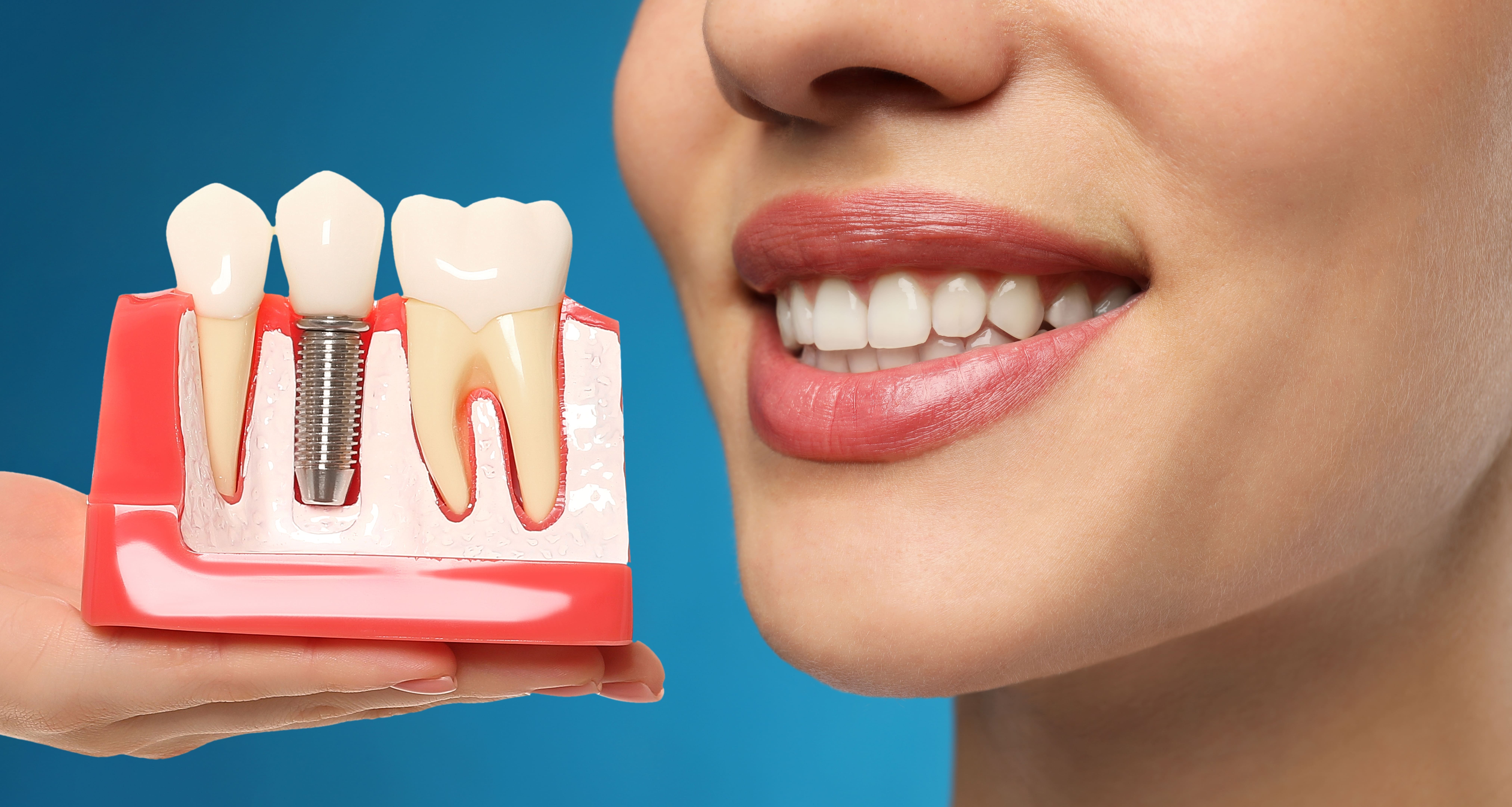
A dental implant is a small titanium post that's placed directly into the jawbone, where it functions as an artificial tooth root. Once the bone heals around it (a process called osseointegration), a custom crown, bridge, or denture is attached on top. Unlike a bridge, an implant doesn't rely on neighboring teeth for support, and unlike a removable denture, it doesn't come out. For most patients who are candidates, it's the closest thing to a natural tooth that modern dentistry offers.
How Much Do Dental Implants Cost in Virginia Beach?
Cost is usually the first question, so let's address it directly. Implant pricing depends on a few variables: how many teeth you're replacing, whether you need a bone graft first, what kind of restoration (crown, bridge, or full-arch denture) goes on top, and your insurance coverage. Dental insurance often covers only a portion of implant treatment, since implants are sometimes classified as a "major" procedure, but many patients are surprised to find their medical insurance covers part of the surgical placement, especially after tooth loss from an injury or medical condition. We also offer financing options for patients who want to spread the cost out.
Because every case is different, we don't publish a flat price list; the most reliable way to get an actual number is a consultation and a 3D scan, since "one missing tooth" and "several missing teeth with bone loss" are very different treatment plans with very different costs. Contact our team and we'll walk you through real numbers for your situation.
Am I a Candidate for Dental Implants?
Most healthy adults are candidates. During a consultation, we're really checking a short list of things:
- Bone density: is there enough healthy jawbone to anchor the implant, or would a bone graft be needed first?
- Gum health: active gum disease needs to be treated before implant surgery, not after.
- Overall health: conditions like uncontrolled diabetes or certain autoimmune conditions can slow healing and need to be managed alongside your physician.
- Smoking: smoking significantly raises the risk of implant failure by restricting blood flow to the healing site; quitting (or at least pausing) improves your odds substantially.
- Jaw growth: for younger patients, we typically wait until jaw growth is complete, which is usually the late teens.
None of these automatically disqualify you; most are things we can plan around. A bone graft, for example, simply adds a healing period before the implant itself goes in.
What Disqualifies Someone From Getting Dental Implants?
True disqualifications are less common than people expect. The short list includes: untreated active gum disease, severely insufficient bone that isn't a candidate for grafting, certain uncontrolled systemic conditions, and a history of radiation therapy to the jaw without medical clearance. Even in these cases, "disqualified today" often just means "needs a different treatment plan first"; it's rarely a permanent no.
Is Getting Dental Implants Painful?
This is the question we hear most often, and the honest answer is: most patients describe the procedure itself as far more comfortable than they expected, largely because it's done under local anesthesia, sedation, or general anesthesia depending on your comfort level and the complexity of the case. Post-surgical soreness is normal for a few days (similar to what you'd feel after a tooth extraction) and is well managed with prescribed or over-the-counter pain medication. Most patients are back to normal activities within a few days and fully healed at the implant site within a week or two, with the longer osseointegration process (bone fusing to the implant) continuing quietly in the background over the following months.
The Dental Implant Process, Step by Step
- Consultation and imaging: a 3D scan maps your jawbone, nerves, and sinuses to plan precise implant placement.
- Any needed prep work: extractions, bone grafting, or sinus lifts, if applicable, with healing time built in.
- Implant placement: the titanium post is placed under anesthesia or sedation.
- Healing (osseointegration): typically 3–6 months for the bone to fuse securely around the implant.
- Restoration: your permanent crown, bridge, or denture is placed on top, custom-matched to your smile.
Dental Implants vs. Other Tooth-Replacement Options
Implants aren't the only option, and they're not always the right one for every patient or budget. Partial dentures are removable, more affordable up front, and don't require surgery, but they don't stop the jawbone loss that happens after tooth loss the way an implant does, and many patients find them less stable when eating or speaking. Traditional bridges avoid surgery too, but require grinding down the healthy teeth on either side of the gap to anchor the bridge. Implants are the only option that replaces the tooth root itself, which is why they're generally considered the longest-lasting, most bone-preserving solution, and why they can also affect facial structure and support in ways the other options can't.
Why See an Oral & Maxillofacial Surgeon for Your Implants?
General dentists can place implants, but oral and maxillofacial surgeons complete additional years of hospital-based surgical residency specifically in the bone, jaw, and facial structures where implants are placed. That matters most in the cases that aren't straightforward: complex bone grafting, sinus lifts, or patients with medical conditions that need to be managed alongside the surgery. Our dental implants team handles the full range, from single-tooth replacement to full-arch reconstruction.
Serving Virginia Beach, Chesapeake & Hampton Roads
We see patients from across Hampton Roads for implant consultations, including our Chesapeake location for residents who'd rather not make the drive to the oceanfront side of town. Wherever you're coming from (Great Neck, Kempsville, the Oceanfront, or over the water from Chesapeake), the consultation and treatment process is the same.
Frequently Asked Questions
What is the average cost of dental implants in Virginia? Cost varies widely based on how many teeth are being replaced and whether bone grafting is needed. A single implant typically costs less than a full-arch restoration; the only way to get an accurate number for your situation is a consultation and imaging.
How do you get dental implants when you can't afford them upfront? Many practices, including ours, offer financing plans that break the cost into monthly payments, and it's worth asking whether your medical insurance covers any portion of the surgical placement. Ask about financing options during your consultation.
What disqualifies you from getting dental implants? Very few things are permanent disqualifiers. Active gum disease, insufficient bone without grafting, and certain uncontrolled medical conditions can delay treatment, but most patients who want implants are able to get them once those issues are addressed.
How painful is it to get teeth implants? The procedure itself is done under anesthesia, so you won't feel it happening. Soreness afterward is typically mild to moderate and manageable with medication, comparable to recovering from a tooth extraction.
Ready to Find Out If You're a Candidate?
The only way to know your real cost and treatment timeline is a consultation. Schedule your dental implant consultation with our Virginia Beach team today.
